Stay Calm
Your pet reads your stress. Speak softly, move deliberately, and breathe. A calmer environment makes everything easier, including transport.
 Compassionate care · Always here
A practical guide to preparing for, recognizing, and responding to pet emergencies. From the team at Fort Lauderdale's independently owned emergency veterinary hospital.
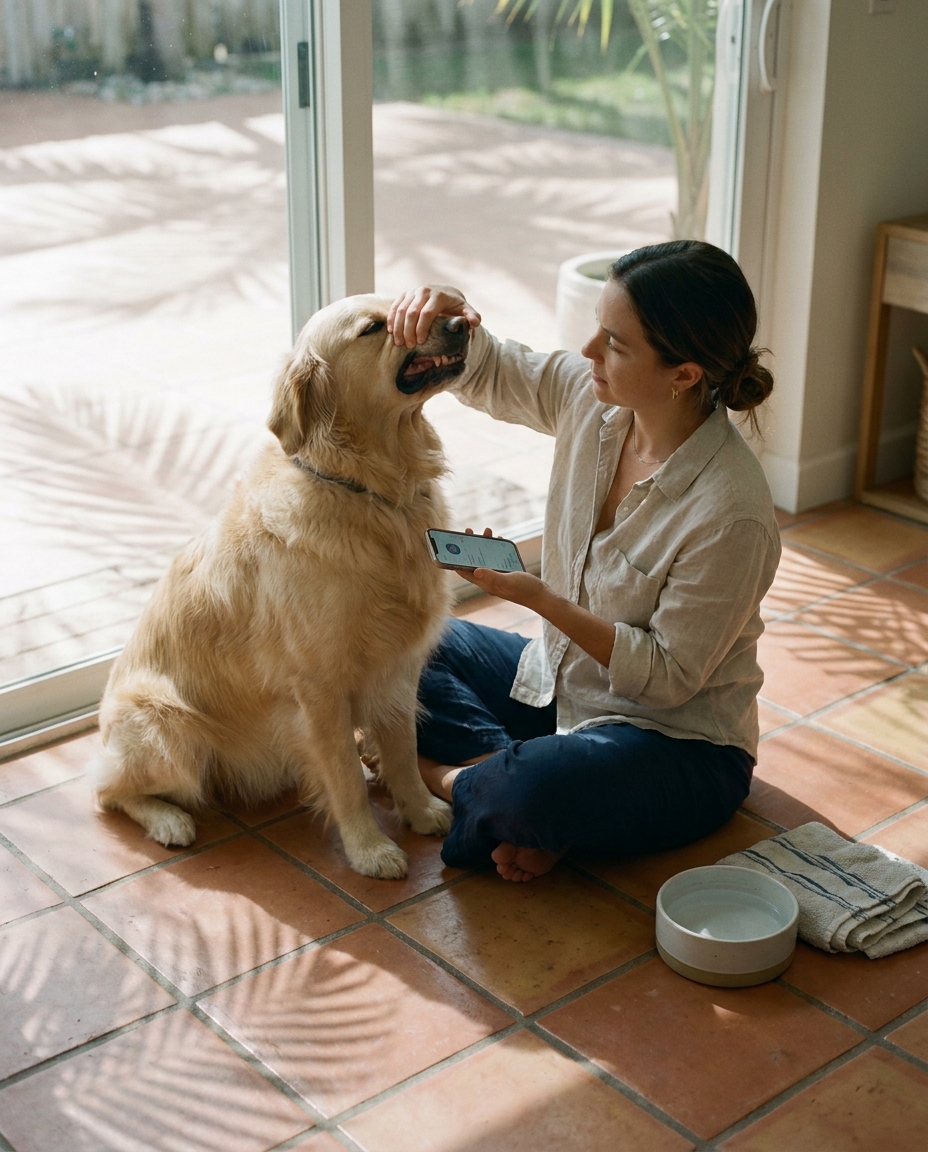
In an emergency, what you do in the first few minutes can shape the next few hours. The most important thing is to stay calm, keep your pet calm, and get on the path to professional care.
Your pet reads your stress. Speak softly, move deliberately, and breathe. A calmer environment makes everything easier, including transport.
If you are bringing your pet in, call (954) 772-0420 while someone else drives, or before you leave. Letting us know you are coming and what is happening lets our team prepare for arrival.
A list of medications your pet is on. Anything they may have eaten or gotten into, including packaging. Recent records from your primary vet if you have them. Do not delay coming in to gather these. They are nice-to-haves, not requirements.
Search results often include conflicting advice and can intensify panic without helping your pet. Trust what you are seeing in front of you, call us, and let us help guide the next step.
A well-stocked pet first aid kit can help you stabilize a situation while you are getting your pet to professional care. Most of these supplies fit in a small box or bag and last for years.
Many of the most common pet poisonings happen at home, with substances most pet owners do not realize are dangerous. Knowing what to keep out of reach can prevent an emergency before it starts.
If you suspect your pet has ingested any of these, call us at (954) 772-0420 or contact ASPCA Animal Poison Control at (888) 426-4435. Do not wait for symptoms to appear.
Living in South Florida means certain risks come with the territory. A little advance preparation can prevent a lot of emergencies.
South Florida heat is dangerous to pets year-round. Avoid walks during peak afternoon hours. Never leave a pet in a parked car, even briefly. Always provide shade and fresh water outdoors. Brachycephalic breeds (pugs, bulldogs, Persian cats) overheat especially fast.
Cane toads (Bufo toads) are common in South Florida and their toxin can be fatal to dogs. Inspect your yard at dusk and dawn when they are most active. If your pet has had contact with one, rinse their mouth with running water immediately and call us.
Pet hurricane preparedness should be part of every South Florida household plan. Keep at least a week supply of food and medication on hand. Have a sturdy carrier ready. Identify pet-friendly shelters in advance. Make sure your pet ID and microchip information is current.
Pools are a year-round drowning risk for pets. Even pets that swim well can struggle to find pool exits. Teach your pet where the steps are. Consider a pet-safety pool alarm or fence.
South Florida wildlife includes alligators, raccoons, opossums, and venomous snakes. Keep pets leashed near water or in unfamiliar terrain. If your pet is bitten by wildlife, come in immediately, even if the wound looks small.
We get this question often: how do I know if it is an emergency? Here is the simplest answer we can give you.
A two-minute phone call costs nothing. Walking your pet through a serious situation alone can cost everything. Call (954) 772-0420 any time we are open, or book a $75 telehealth consultation if you would prefer to assess together over video.
When something goes wrong with your pet, you do not have to figure it out alone. We are open weeknights 5 PM to 8 AM, and 24/7 on weekends and holidays.