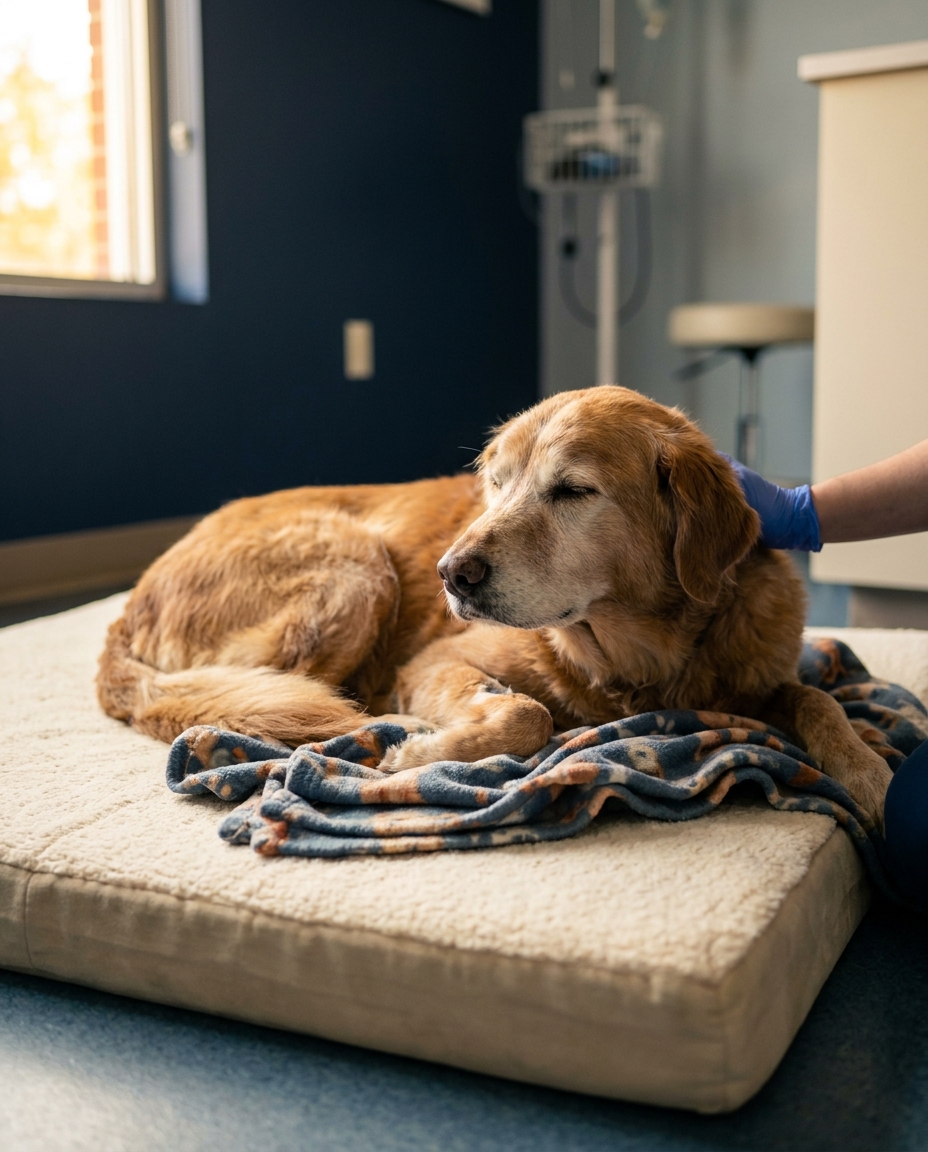
Pets in pain heal slower and suffer more than they need to. We take pain seriously from the moment your pet arrives, with thoughtful, multi-modal pain control that is part of every treatment plan.
Pain control in every treatment plan Multi-modal pain protocols Tailored to species, age, and condition Continued support during recovery
Comfort First
Pain is not a side note
Why We Treat Pain as a Core Part of Medicine.
There was a time, not long ago, when pain control in veterinary medicine was considered optional. Pets were thought to "tough it out" or assumed to handle pain better than humans do. We now know that is not how it works. Pets feel pain. Pets suffer when they are in pain. And pets heal more slowly when their pain is undertreated.
At Pet Emergency Center, pain management is not something we offer as an add-on. It is built into how we treat every patient who needs it. From the moment your pet arrives, our team is thinking about their comfort alongside their diagnosis and treatment.
Pets heal better when they are comfortable. Comfort is not optional.
Recognizing pain
Pets Do Not Always Tell Us When They Are Hurting.
One of the hardest parts of caring for a pet is that they cannot say what is wrong. Many animals, especially cats, instinctively hide pain to avoid appearing vulnerable. By the time outward signs appear, the pain has often been there for a while.
Common signs your pet may be in pain include:
Decreased appetite or refusing to eat
Changes in posture or gait, including limping or stiffness
Hiding, withdrawing, or avoiding interaction
Restlessness, panting, or trembling
Vocalizing in unusual ways
Aggression or sensitivity when touched
Excessive licking of one area
Changes in sleep patterns
If your pet is showing any of these signs and you are not sure why, call us or book a telehealth consultation. Pain has a cause, and identifying it is the first step toward addressing it.
Our approach
Our Approach to Pain Control.
Multi-Modal Pain Management
No single medication addresses every type of pain. We use combinations of pain-control approaches tailored to each patient. This may include opioid analgesics for acute pain, anti-inflammatory medications, local anesthetics for surgical sites, and non-pharmacologic comfort measures like rest, warmth, and quiet recovery space.
Tailored to Each Patient
Pain protocols are tailored to your pet's species, age, weight, medical history, and the specific situation they are in. A senior cat with kidney issues requires different pain medication choices than a young, healthy dog recovering from surgery. We adjust accordingly.
Continuous Reassessment
Pain levels change over the course of a visit and recovery. We reassess regularly and adjust the plan as needed, rather than setting a single dose and walking away. If your pet is still uncomfortable, we want to know.
Pain Management Continues at Home
When your pet leaves us, you will have clear instructions on at-home pain management, including any prescribed medications, dosing schedules, and what signs to watch for that might mean the plan needs adjusting. Recovery is part of the treatment, and we set you up for it.
Surgical patients
Pain Control Before, During, and After Surgery.
Surgical patients receive pain management at every phase: pre-operative pain control, anesthesia and intraoperative analgesics designed to keep them comfortable during procedures, and post-operative pain management as they recover.
Pre-emptive pain control, treating pain before it becomes severe, has been shown to result in faster recovery and better outcomes. We have built that approach into every surgical workflow.
Different species respond to pain medications differently. What is safe for a dog can be dangerous for a cat. What works for a cat is not always appropriate for a rabbit, reptile, or bird. Our team has experience tailoring pain protocols across the full range of patients we see.
Dogs and cats. The most common patients we see, with well-established pain protocols.
Birds and exotic pets. Specialized considerations our team is trained for.
Pocket pets and reptiles. Distinct pain expressions and medication tolerances we account for.
If you have a non-traditional pet experiencing pain, do not assume your options are limited. Call us.
FAQ
Frequently Asked Questions.
Can't find what you're looking for? Call (954) 772-0420 or book a telehealth consultation.
Compassionate care. Always Here.
Your Pet Does Not Need to Suffer. We Can Help.
If your pet is showing signs of pain or recovering from a recent injury or procedure, talk to us. Call our Fort Lauderdale hospital, walk in, or book a video consultation from anywhere in Florida.